
Animal leadership
Animals don’t care about your title: how young people actually learn leadership
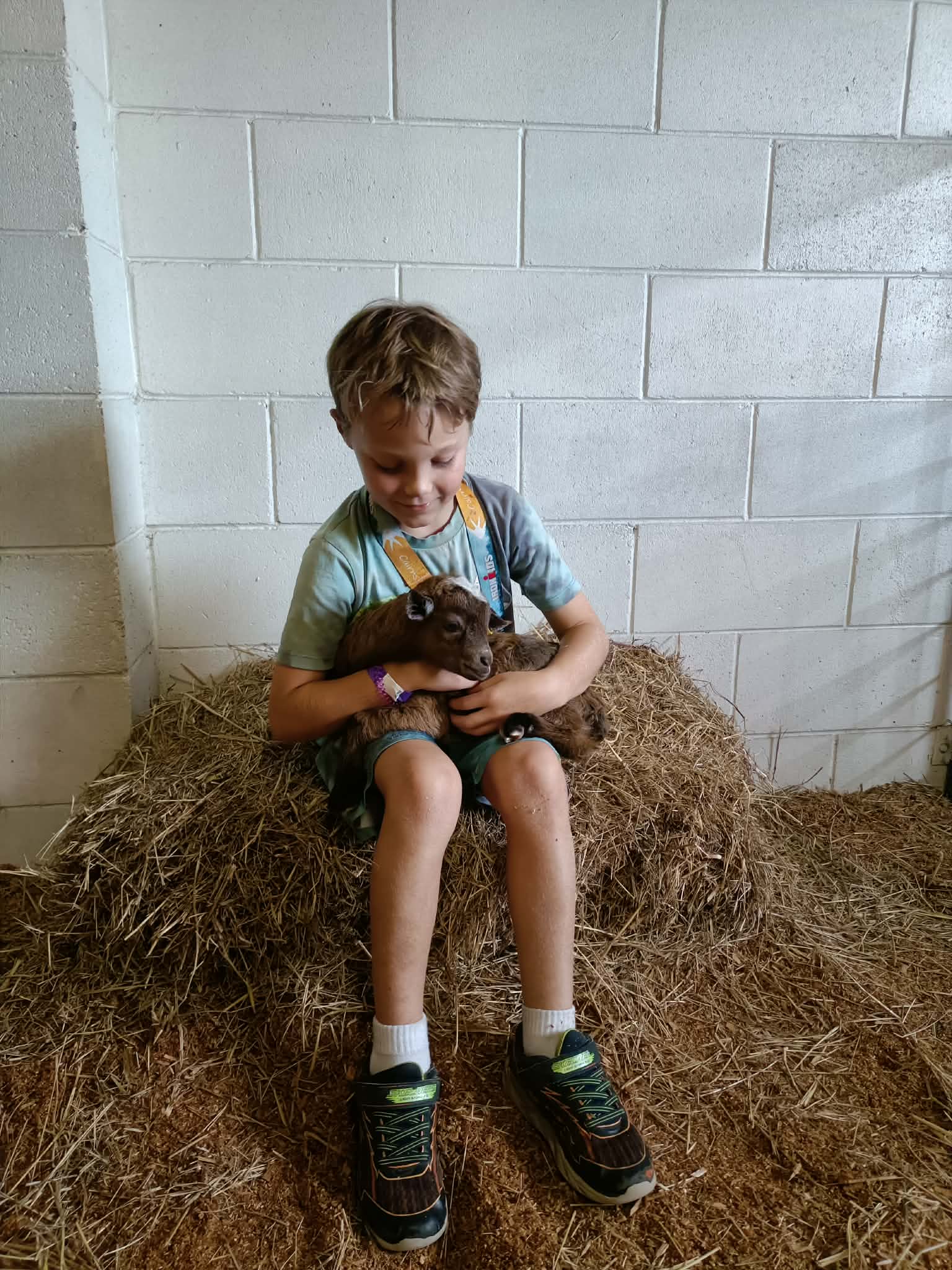
A ten-year-old can recite what leadership means. Ask them to get the chickens in before dark and you find out whether they understand it.
There is a version of leadership education that happens on paper. Define the term, list the styles, work out which one you are. It is tidy, it is easy to assess, and a young person can complete every bit of it without once having to lead anything.
Then there is the version that happens in a paddock at four in the afternoon, when the animals have their own ideas.
The feedback is immediate, and it is never polite
Animals do not respond to authority. They respond to what you are actually doing: how fast you move, how loud you are, whether your attention is on them or on the person next to you.
A child who rushes gets a scattered flock. A child who steadies themselves, slows down and reads the situation gets a different result within seconds. Nobody has to tell them which approach worked. The paddock already did.
That loop is what makes animal-assisted learning work. The feedback arrives immediately, it is impossible to argue with, and it is not personal. The animal is not judging the child. It is simply responding.
For young people who have learned to tune out adult correction—and plenty have—this matters more than it might sound. You cannot dismiss a chicken’s opinion as unfair.
What a flock teaches that a worksheet cannot
Field to Future is our after-school program for children aged five to twelve: a miniature farm school where animal husbandry, hands-on gardening and life leadership all sit inside the same session.
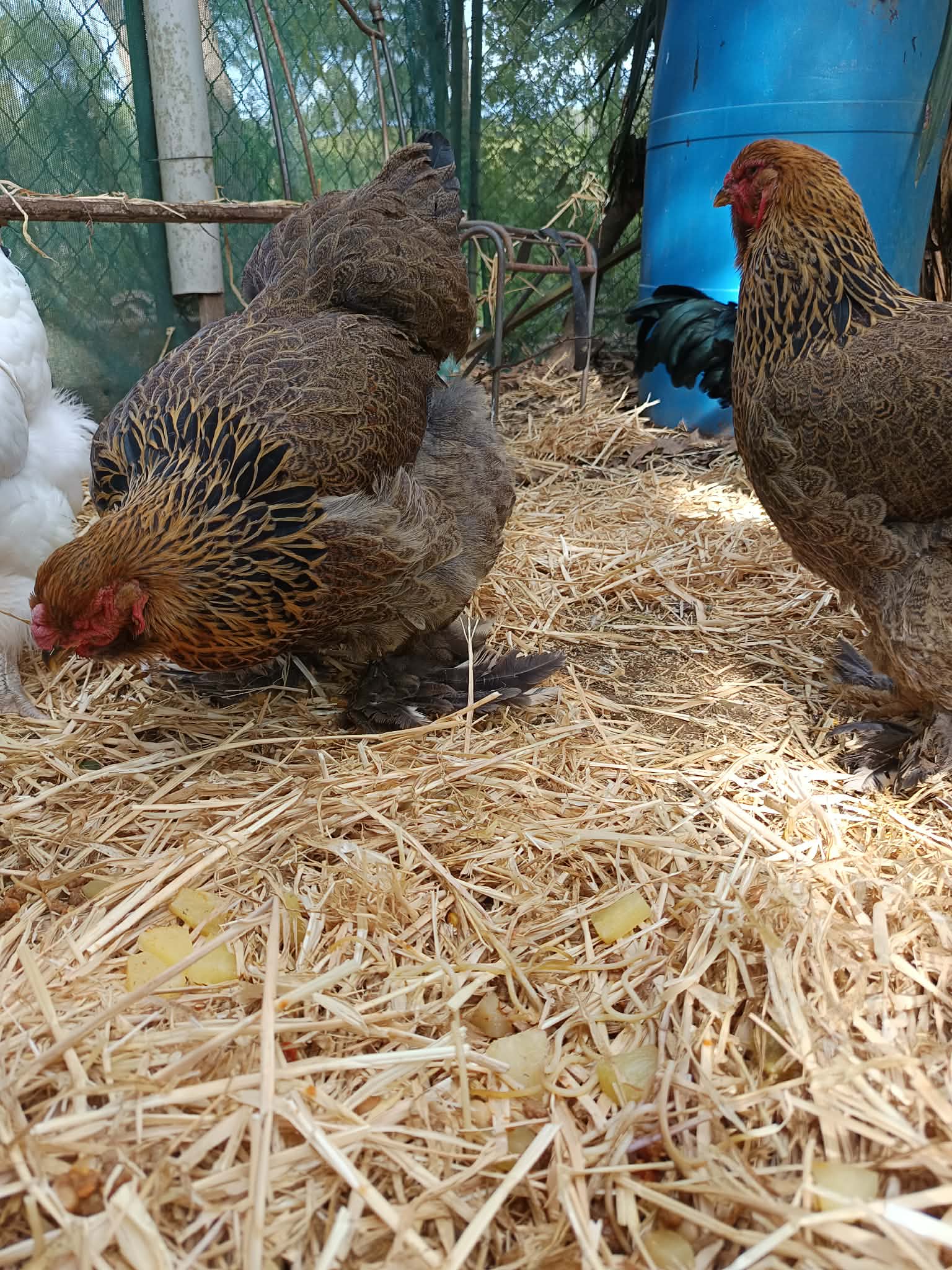
It is built on five pillars, and not one of them is taught as a topic:
- Life leadership — the confidence to stand tall and share what you know with someone else;
- Collaboration — working in a small team to care for the school flock, where forgetting your job has visible consequences;
- Problem solving — reading animal behaviour and health, and working out what an animal needs when it cannot tell you;
- Sustainability — following the cycle from garden to gate; and
- Show experience — grooming and training an animal for the agricultural show, in front of people.
Sit with that last one for a moment. A child prepares an animal over months, then walks it into a ring and presents it to a judge. That is patience, preparation, responsibility for another living thing, and composure in public—assessed by someone who is not their parent.
It is difficult to build that in a classroom.
Then the learner becomes the guide
The part that surprises people is what happens next.
Field to Facilitate is the sister program: a twenty-four month pathway across the Sunshine Coast, Noosa and Gympie hinterland for older young people and adults who want to work with animals and lead people at the same time.

Participants do not study facilitation. Every week they run sessions for the children in the junior program. The five-year-olds are the curriculum.
This is the difference between learning about leadership and being handed responsibility for it. If your instructions are unclear, a group of eight-year-olds around livestock will show you immediately. If your safety brief is vague, you find out. If you cannot hold a group’s attention, the group tells you by wandering off.
Four phases, four real jobs
The pathway moves through four roles. Each one is an actual job rather than a unit of study:
- Phase A — Animal Health Coordinator. Husbandry, behavioural health, habitat. You look after animals before you look after people.
- Phase B — Assistant Facilitator. Educational design, teaching structure, and how to keep children safe around livestock.
- Phase C — Learning Coordinator and Team Leader. Logistics, running team sessions, coordinating other people.
- Phase D — Program Leader and Trainer. Program health, mentoring the cohort behind you, compliance and risk.
Every phase carries real consequences, which is the point. You cannot coast through being responsible for an animal’s wellbeing, and you cannot fake having run a session for a dozen children.
Two qualifications, earned in the paddock
Field to Facilitate finishes with two nationally recognised qualifications: Certificate IV in Animal Behaviour and Training, and Certificate IV in Leadership and Management.
They are not earned by sitting in a lecture hall. Participants build capability through the work itself, and that capability is recognised through Recognition of Prior Learning, with targeted gap training where something is genuinely missing. The evidence comes from what they have actually done.
New to how this works? We have explained it separately in What is RPL? Recognition of Prior Learning explained.
Why this suits young people who have not thrived elsewhere
Plenty of capable young people do not do well in a classroom. Not for lack of ability, but because the format asks them to sit still, work abstractly, and be assessed on how well they explain something rather than how well they do it.
Animal work inverts all three. It is physical, it is concrete, and competence is visible to everyone standing there. A young person who has been told for years that they are not academic can discover, within a few weeks, that they are the one the animals settle for.
That is not a small thing to carry into the rest of your life.
Both programs start in January 2027
The next Field to Facilitate intake opens in January 2027, and places are capped at twelve. That cap is deliberate: livestock mentoring only works safely, and only works well, in small numbers.
Field to Future starts in January 2027 as well. It runs alongside as the junior program, and it is where Field to Facilitate participants do their facilitation work. The two are designed to feed each other, and they begin together.
If either sounds like the right fit, for your child or for you, the program pages have the detail:
- Field to Future — after-school ag education for children aged 5 to 12, starting January 2027.
- Field to Facilitate — the 24-month animal leadership and facilitation pathway, intake January 2027.
Leadership is hard to teach and easy to test, provided you put someone in a situation where the outcome genuinely depends on them.
Animals do that honestly, immediately, and without ever making a young person feel judged. The rest is structure: real roles, real responsibility, and someone alongside them who knows what they are looking at.
Leave a Reply