Animal Leadership
Animal Leadership
Dual Qualification Pathway · 2 Certificate IVsWork with animals, lead yourself, your animals and people, and open up unique career pathways across a range of animal industries.
A 24-month program across the Sunshine Coast, Noosa and Gympie hinterland, where you learn by running real after-school and holiday programs with animals and children, and graduate with two nationally recognised Certificate IV qualifications.
Why this is different
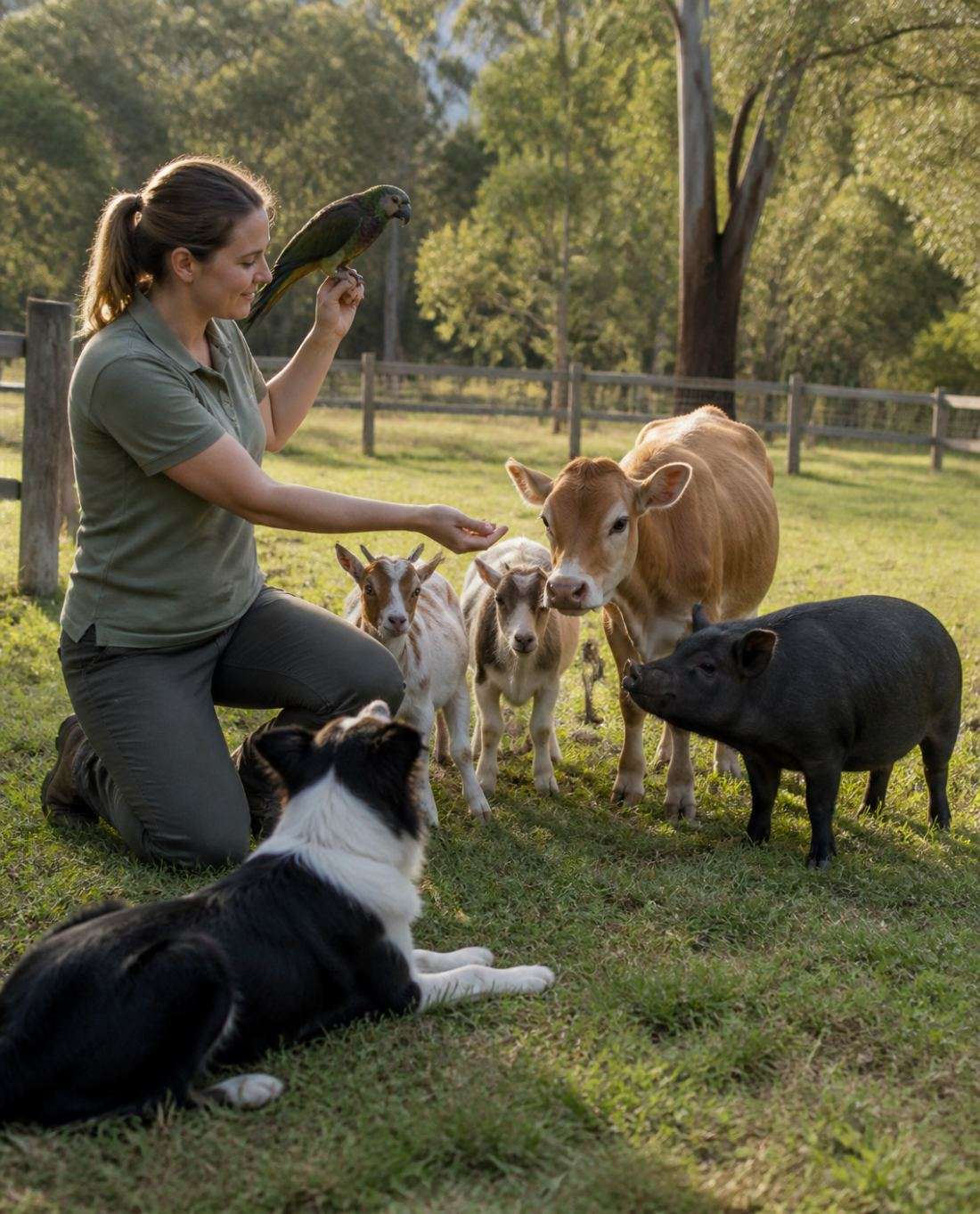
You don’t learn leadership from a textbook here. You learn it by caring for animals, guiding children and running real programs, with a Learning Coach beside you and a herd of peers around you.
Real roles, real responsibility
Every week you’re on the roster for our Field to Future after-school program, with a real role in a real team.
Many animals, one approach
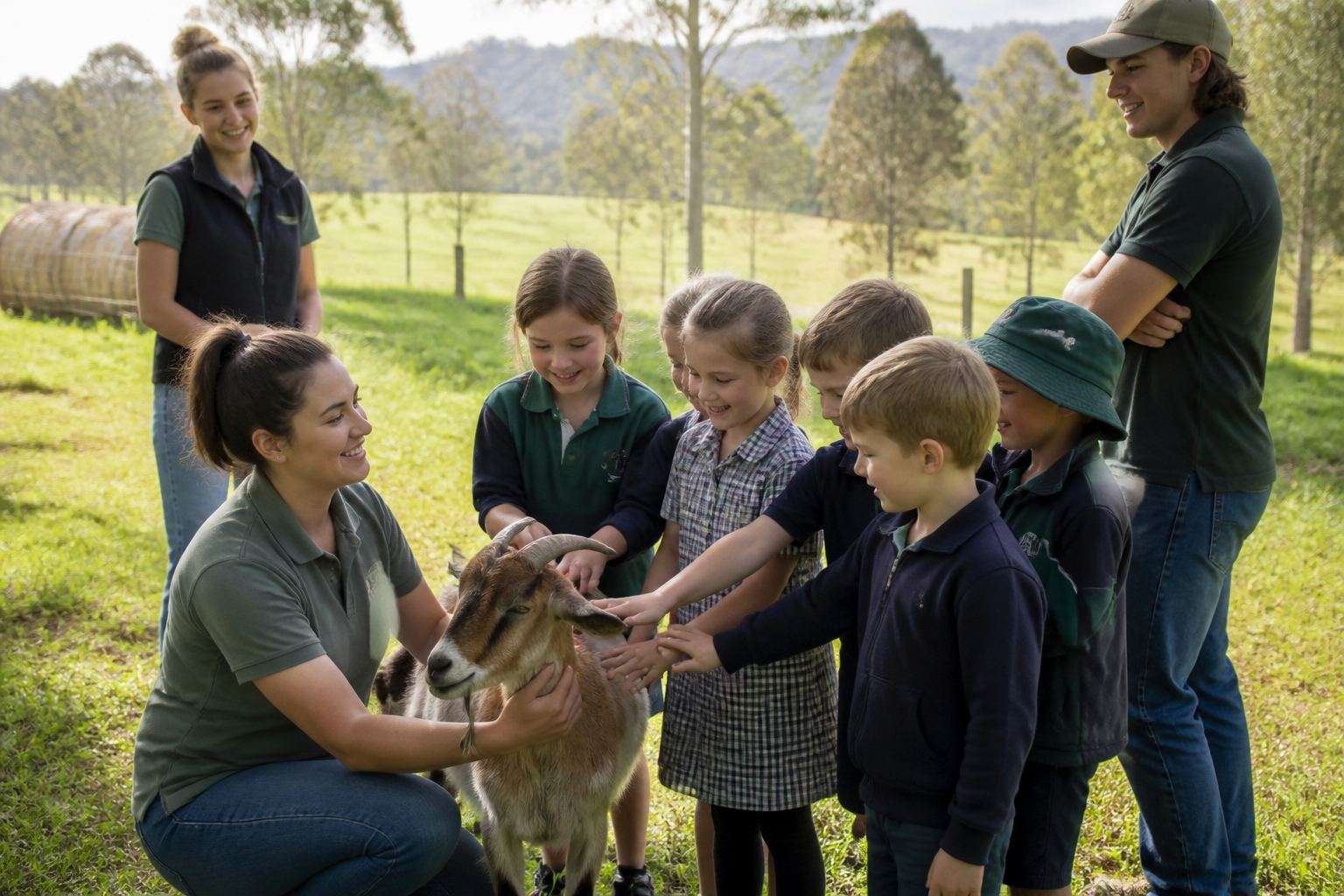
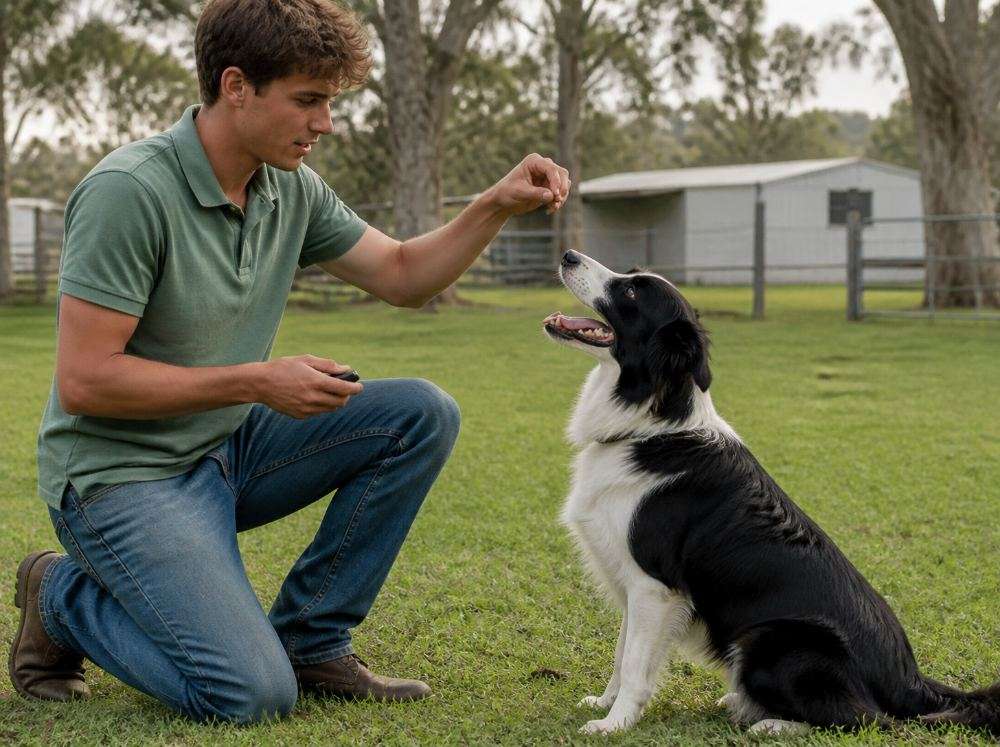
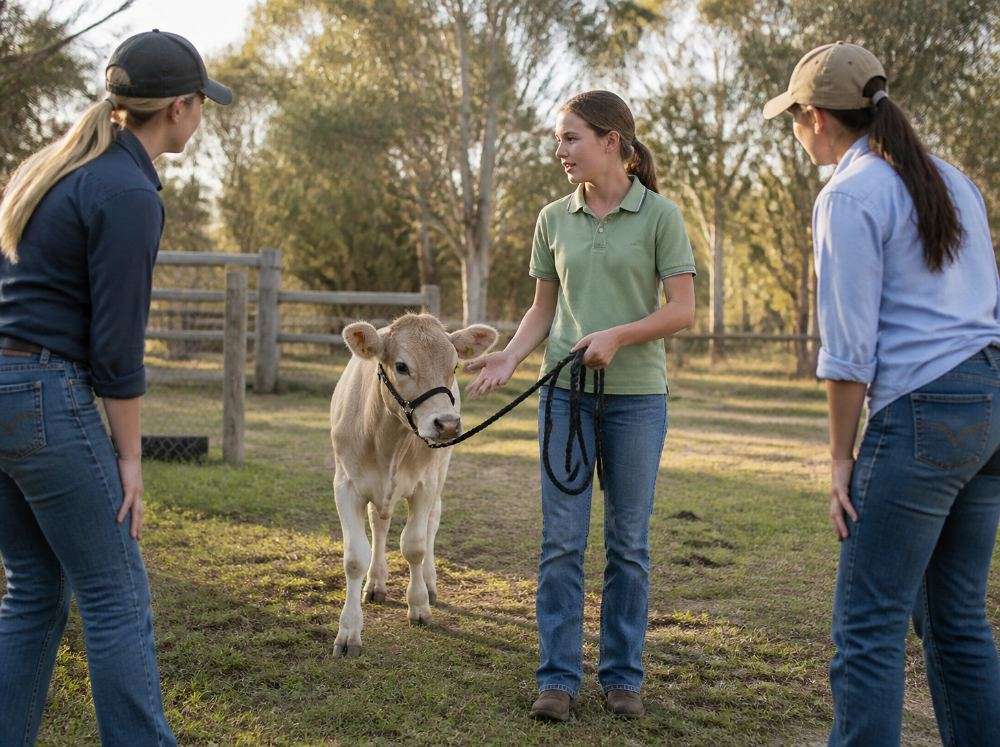
Cattle, goats, sheep, poultry, dogs and other companion animals: you learn welfare, behaviour, enrichment and training that work across species.
Learn alongside your herd
First-year and second-year learners share the same day. You learn from those ahead of you, then lead those coming in behind.
From joining the herd to leading it
Two years, one herd. You start by finding your feet with the animals and the team, then come back to everything in more depth as a leader.
Foundations Induction
Two days before you start: safe animal handling, workplace health and safety, child-safe practice, and how the herd roster works.
Join the Herd
Care for, read, enrich and train animals, and support our after-school and holiday programs as an Animal Handler, Welfare & Safety Lead and Co-facilitator.
Lead the Herd
Return to every theme in more depth, lead a roster team, mentor newer learners, run your own annual animal project and lead a term of the after-school or holiday program.
Grow through four phases
Each phase is around six months. You meet the same eight themes twice: once hands-on in Join the Herd, and again in more depth as a leader in Lead the Herd. Tap a phase to see what you’ll do.
Join the Herd · Phase 1 · first 6 months
Lead yourself and your animals
Your role: Animal Care Coordinator
You find your feet: caring for the animals every week, learning to read them, keeping everyone safe, and planning your own work across the roster, study and animal care.
Join the Herd · Phase 2 · months 7–12
Lead others and their animals
Your role: Assistant Facilitator
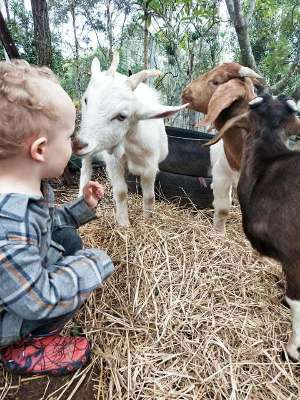
You start guiding children and families with the animals: designing enrichment, training new behaviours and communicating with confidence in the after-school sessions.
 Lead the Herd · Phase 3 · months 13–18
Lead animal projects
Your role: Team Leader & Project Lead
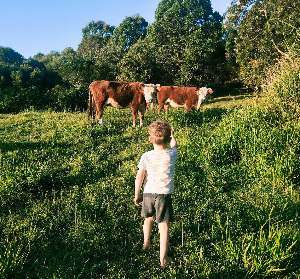
You return to the first four themes as a leader: advising others, owning the safety system, mentoring newer learners and launching your own annual animal project.
 Lead the Herd · Phase 4 · months 19–24
Lead animal programs
Your role: Program Leader & Mentor
You lead the program: running your roster team, leading a term of the after-school or holiday program, and delivering an education program and a community awareness event.
You run the program
Our Field to Future after-school program runs Tuesdays and Thursdays, 3:30–4:30 pm, for children aged 5–12. You and your team run it, plus our school holiday program, on a rotating roster.
Roles rotate weekly. In Lead the Herd you step up to Lead Facilitator, Team Leader and Program Leader & Mentor.
A program day
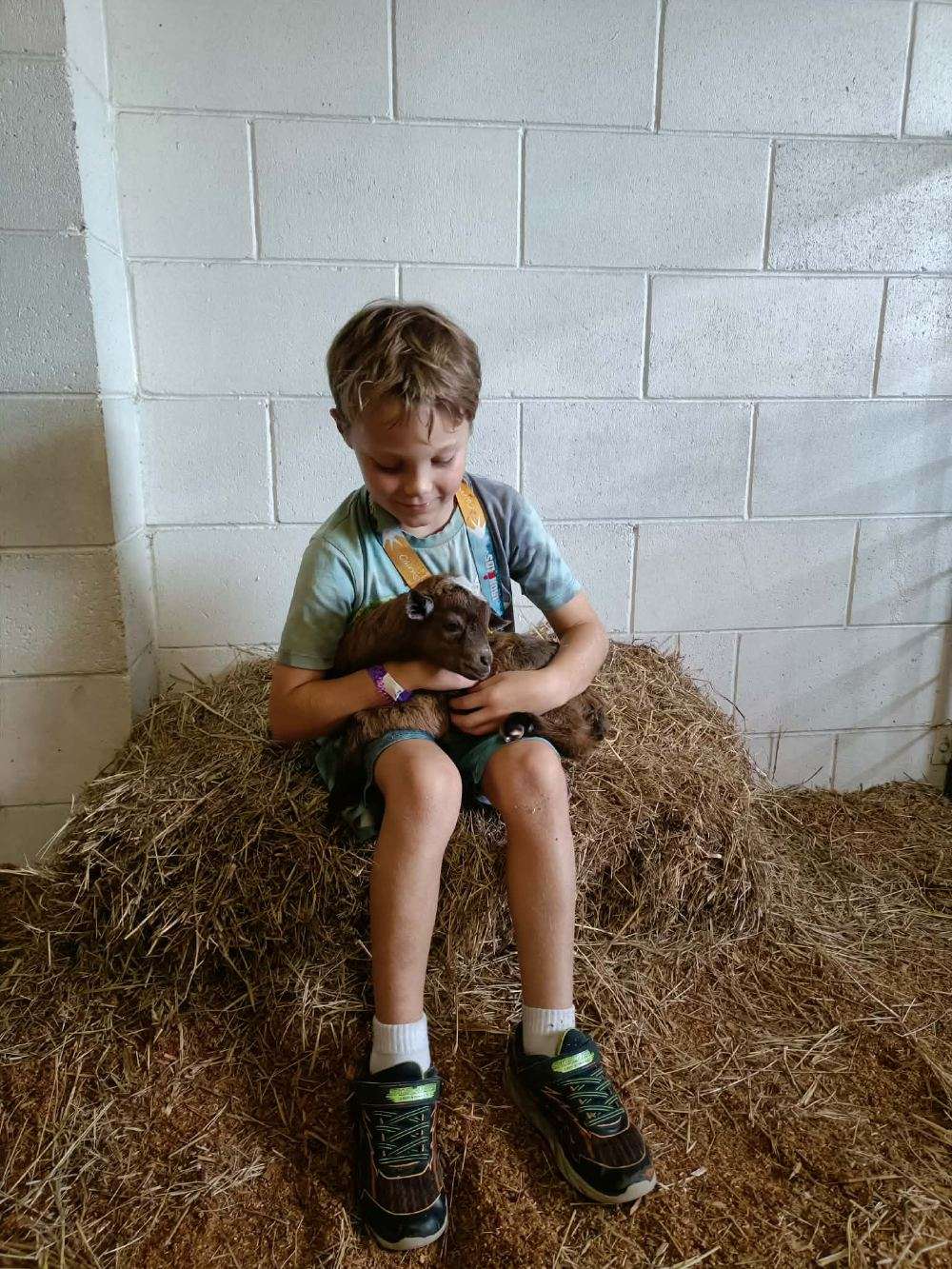
Thursdays in school terms. You’re rostered onto the after-school session with your team on a rotating basis, Lead the Herd learners also take Tuesday afternoon shifts, and everyone is rostered into the holiday programs.
Many animals, many pathways
Animal Leadership opens doors across the animal world. We’re building partnerships with zoos, wildlife parks, dog trainers and farms so you can explore where your passion fits.
Zoos and wildlife parks
Keeper support, enrichment, behaviour and visitor education.
Dog training and companion animals
Behaviour, training and owner education, with a pathway into our dog training programs.
Farms and agritourism
Livestock care, farm stays and hands-on visitor experiences.
Animal rescue and shelters
Care, behaviour assessment and rehoming support.
Animal education and school programs
School incursions, holiday programs and community workshops.
Design your own education programs
Create and run your own animal-based learning experiences for children, schools or the community.
Youth and community programs
Mentoring and outdoor programs that use animals to build confidence.
Run your own business
Start your own educational farm, training service or animal-based business.
Two qualifications, 22 units
Six units count towards both qualifications, so you complete two Certificate IVs through 22 units of real work.
Show all 22 units
- ACMBEH301Identify behaviours and interact safely with animalsRead animal behaviour and handle animals safely.
- ACMBEH402Develop, implement and monitor enrichment strategies for animalsDesign and run enrichment that keeps animals engaged and healthy.
- ACMBEH403Evaluate animal conditioning methodology and program designCompare training methods and design a training program.
- ACMBEH404Condition animal behaviourUse positive reinforcement to train new behaviours.
- ACMBEH407Conduct animal behavioural assessmentsObserve and assess behaviour, then recommend next steps.
- ACMGEN303Assess the welfare status of an animalCheck an animal’s welfare using recognised frameworks.
- ACMGEN304Promote positive wellbeing in self and others in animal care workplacesLook after your own wellbeing and your team’s.
- ACMGEN311Maintain and monitor animal health and wellbeingMonitor daily health and spot problems early.
- ACMGEN402Advise on animal industry compliance and practicesAdvise others on animal laws, codes and good practice.
- ACMWHS401Maintain workplace health and safety processesKeep people and animals safe with everyday WHS processes.
- ACMVET411Prepare, deliver and review animal care education programsPlan, deliver and review animal care education sessions.
- ACMARM407Conduct community awareness programsRun programs that raise community awareness about animals.
- BSBLDR411Demonstrate leadership in the workplaceLead by example and make sound decisions.
- BSBLDR413Lead effective workplace relationshipsBuild trust, mentor others and manage relationships.
- BSBLDR414Lead team effectivenessHelp your team set goals and work well together.
- BSBXTW401Lead and facilitate a teamPlan, lead and support a team’s work.
- BSBOPS402Coordinate business operational plansPlan and coordinate day-to-day operations.
- BSBXCM401Apply communication strategies in the workplaceCommunicate clearly with different people and audiences.
- BSBPEF402Develop personal work prioritiesPlan and prioritise your own work.
- BSBLDR412Communicate effectively as a workplace leaderLead briefings, give feedback and handle tough conversations.
- BSBWHS411Implement and monitor WHS policies, procedures and programsPut safety policies in place and check they work.
- BSBPMG430Undertake project workPlan and deliver your own annual animal project.
Already have experience with animals or leading people? Ask us about Recognition of Prior Learning (RPL) and credit transfer when you apply.
Program at a glance
24 months
Join the Herd, then Lead the Herd
One day a week
Thursdays in school terms, 9:30 am–3:00 pm
After-school and holidays
Rotating team roster
February and July
First week of February 2027 · 8 places per intake
Sunshine Coast hinterland
Noosa and Gympie regions
Aged 16+
Blue card, LLN check and Foundations Induction
Who this program is for
Youth leaders (16–25)
School leavers and young adults who build confidence by doing and want a practical, non-traditional pathway into work.
Career-changers
Adults moving into animal education, youth mentoring, community programs or ecotourism, bringing life experience with them.
Community innovators
People who want to build educational farms, social enterprises or outdoor programs that strengthen their local community.
Build your pathway
Connect your passion for animals, grow your skills with people, and find your purpose.
Places are limited to 8 learners per intake, so every learner gets quality coaching and every animal gets the care it deserves.