Learning that fits your life, and the future you're building.
Whether you're stepping up at work, building a business, changing careers or just starting out, we coach you through the real thing, build the skills you need, and back it with nationally recognised qualifications.

Where are you right now?
You're already supervising, coordinating or making decisions at work.
You're bringing years of experience into a new field and need it recognised there.
You're responsible for staff, operations and compliance decisions.
You want prepared supervisors and consistent performance across your team.
You're getting ready to step into a professional role and want the right foundations.
You've got the theory and now want it to show up in your everyday work.
Not sure where you fit? We work it out together in a short conversation about your role.
Wherever you're starting from, there's a pathway for you.
Already doing it? We map your experience against national standards and formally recognise what you can do, without repeating what you already know.
Explore RPLCoaching, mentoring and training built around the work you're already doing, closing the gaps that matter, with a pathway to a qualification when you're ready.
See how it works ↓Hands-on programs in leadership, events, business and animal leadership, for young people, business builders and teams, all learnt by doing the real thing.
See our programsBecome a trainee or host one. Paid work and a nationally recognised qualification together over 12–24 months, with a coach alongside every step.
Explore traineeships

Pathways that adapt to you, not the other way around.
Each way we help has its own pathway to a nationally recognised qualification. We'll work out which fits you in a short conversation.
We map your existing performance against national standards and formally recognise it once confirmed.
Tailored coaching, mentoring and training in the areas you need, built into your real work, then final validation.
Tailored to industry needs. A program or traineeship that brings training, coaching and mentoring together, developing you step by step until you can demonstrate competence and have it recognised.
Skills you build by doing the real thing
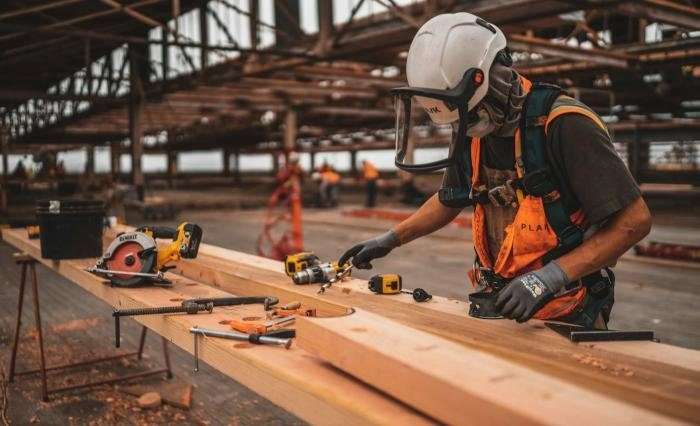
Every program combines structured training, coaching and mentoring. You learn on real projects with a coach alongside you, and the qualification recognises what you can actually do.
Less time on paperwork, more time putting your skills into action.
Certified Learning Coaches who've built businesses, led teams and run events themselves. One-on-one or in small groups, shaped around how you learn, so you spend less time on theory and irrelevant tasks, and more time doing.
 Delivered by a Certified Learning Coach

Where three strengths meet, you find a Learning Coach.
Most training hands you content and a test. A Learning Coach works alongside you in your real work, helping you turn what you know into what you can confidently do, then confirms it against national standards. That takes all three.
We tailor our programs to the needs of individuals, teams and organisations.
It all starts with your role. Six steps, each one built around the work that's already happening.
We talk through your role and what's expected of you.
We credit the skills you already have, so you don't repeat what you know.
We pinpoint the few gaps that are holding your performance back.
We build those skills on the job, with coaching that fits your real work.
We confirm your competence using evidence from your own workplace.
Once you meet the standard, you receive your nationally recognised qualification.
Develop your people without pausing the work.
We clarify what each role needs, support development inside your workplace and confirm competence against recognised standards. That helps you:
- prepare supervisors and emerging leaders
- lift performance consistency across the team
- keep operations running while staff develop
- formally recognise your workforce's capability
Qualifications are issued once competence is demonstrated against industry standards, not for hours in a seat. So your qualification reflects real workplace capability.
- BSB40520 Certificate IV in Leadership and Management
- BSB80120 Graduate Diploma of Management (Learning)
- BSB30220 Certificate III in Entrepreneurship and New Business
- SIT30522 Certificate III in Events
- MST20319 Certificate II in Leather Production
- ACM40322 Certificate IV in Animal Behaviour and Training
 RTO 45570
A social enterprise, built on connection.
Learnivation is a social enterprise, and we love working alongside for-purpose businesses and organisations that want to make a difference. We collaborate with schools, community groups, councils and workforce providers, connecting people with the skills, networks and opportunities to grow.
What we earn goes back into community programs that help people, from migrant women in business to neurodiverse youth, become confident, resilient Life Leaders.

Begin with clarity.
Tired of training that looks good on paper but falls apart in practice? Tell us about your role and responsibilities, and we'll map out the best pathway forward together.